On January 30, the partners in the project and project team met in Östra Mark at Örebro University campus for the first in a series of transition design workshops. This workshop focused on the leverage points and systemic interventions where principles of circular economy could be utilized in business models that enable decarbonization of freight road transport.
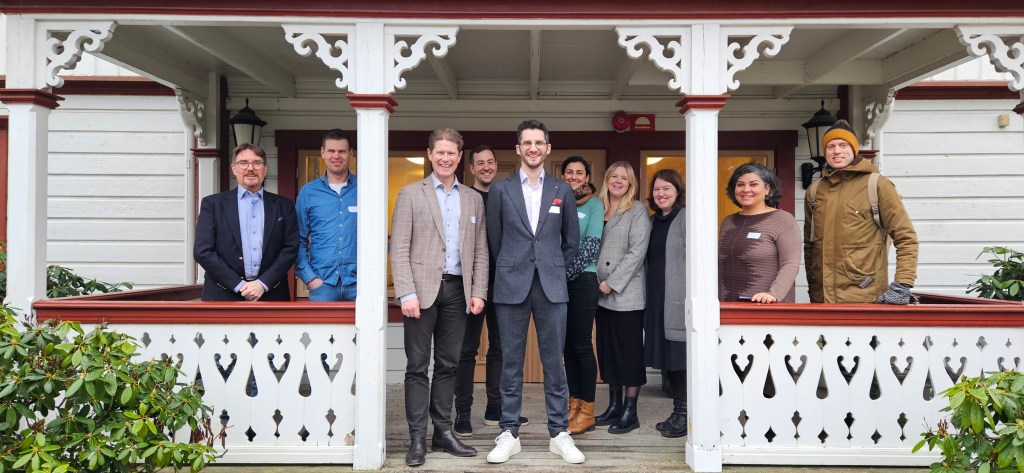
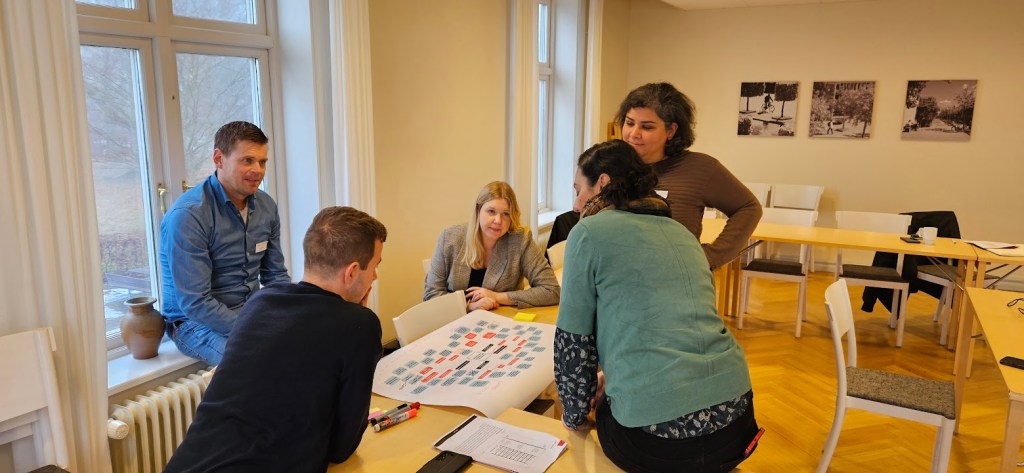
We welcomed our present partners from Närkefrakt, Elonroad and Region Örebro län, and also our guests from Linde Energi. We were inspired by “transition design approach” when we created the workshop, and this means that we really put our participants to work and provided them with tools to co-create pathways for joint vision of a sustainable future. Starting with a short introduction, we proceeded to further develop our system uncertainties map, which were upgraded with new insights and interesting interdependencies.
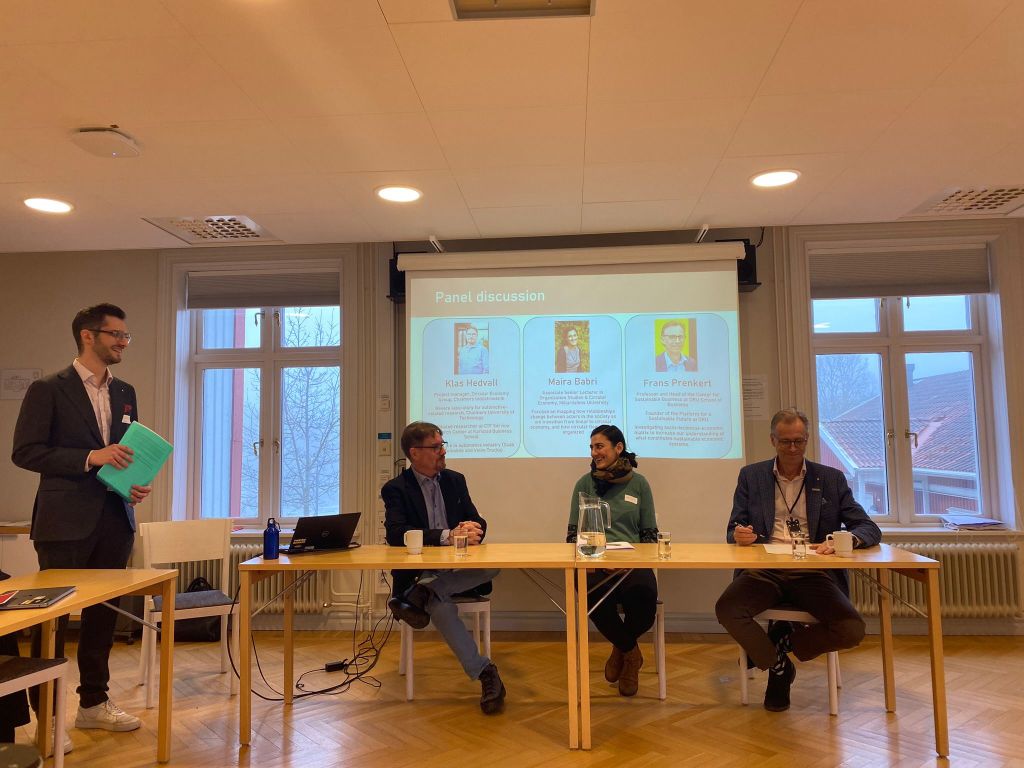
We followed with a panel session with invited experts from research: Klas Hedvall (Chalmers Industriteknik and CTF Service Research Center at Karlstad University), Maira Babri (Mälardalens University), and Frans Prenkert (Örebro University). The experts discussed how important it is to work on the multi-dimensional aspects of circularity where multiple actors need to work together (in creating interconnected “circular systems”) and how adapting circular principles can actually increase our resilience.
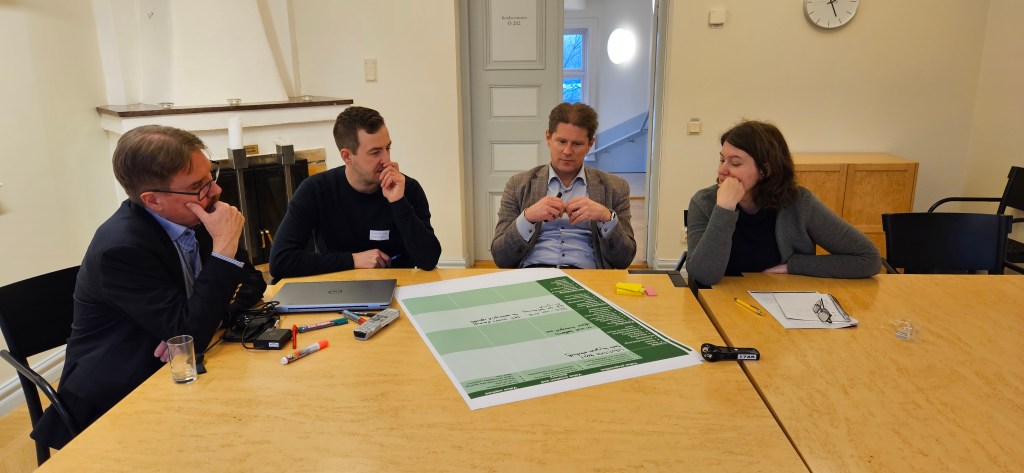
In the afternoon session, we introduced some frameworks and models for discussing circularity (10R model, and circular business model framework), and focused our group sessions on designing business models for the future. We gathered very interesting and novel ideas that we are looking forward to develop further! The suggestion of a vehicle-to-grid business models, where charging trucks would provide storage capacity during peak hours (typically week day evenings) was especially innovative and we will definitely continue discussing this.
The project team will now work with the input from workshop participants, and conduct several further interviews with partners and other stakeholders in the industry. The goal now is to create a case report discussing several of the suggested business models in depth, hopefully to be released in coming months. Now, our research team is looking forward to participate in the Charging Ahead conference in March!
 CIRC-S Project Website